Manitou Ridge’s New Era: Renovations Improve The Golf Experience For Everyone
By Steve Wetzler
For nearly a century, Manitou Ridge Golf Club has been a staple of the East Metro golf community. Opened in 1928, the Ramsey County-owned facility has challenged generations of golfers with its rolling terrain, strategic bunkering, and demanding greens. But after a comprehensive renovation project, Manitou Ridge is entering a new era – one focused on making the game more enjoyable and sustainable for golfers of all abilities.
The recently completed renovation touched nearly every corner of the golf course. New forward tees, renovated greens, rebuilt bunkers, restored cart paths and a state-of-the-art irrigation system have transformed the playing experience while ensuring the course remains a community asset for decades to come.
The project was driven by extensive research and planning.
“Ramsey County commissioned a golf study, and it gave us information about our golfers, our golf courses and our infrastructure,” said Liz Flinn, Director of Operations for Golf Courses and Ice Arenas with Ramsey County Parks & Recreation. “It came back that Manitou specifically played long, especially for women golfers, senior golfers, new golfers and families. Ultimately, it showed that we needed to invest in the infrastructure and improve the experience for those golfers.”
That feedback became the foundation for the renovation effort.
One of the most visible changes is the addition of 14 new forward tees. These new tee boxes create a wider range of yardages and make the course more approachable for women, juniors, seniors and new golfers.
“In order to accommodate all levels of players, you need to have a really big variance of tee placement,” said PGA Professional Mark Foley. “The county just made the golf course more user friendly – from the beginner to the intermediate player to the scratch golfer.”
The course also introduced a simplified tee system with black, white, orange and silver tee markers, encouraging golfers to play from the distance that best matches their skill level.
“Play from whatever tees make you happy,” Foley said. “It’s been super well received.”
The impact of those changes has already become evident.
“We’ve seen a super big uptick in our junior play because the course sets up now where the kids can have more fun,” Foley said. “You don’t want to put them in positions where they can’t enjoy the game. If you make it too hard, it’s a big turnoff.”
The same trend has been seen among women golfers.
“Our women’s club participation has increased dramatically,” Foley added. “The key to this renovation is that it improves playability and lessens frustration.”
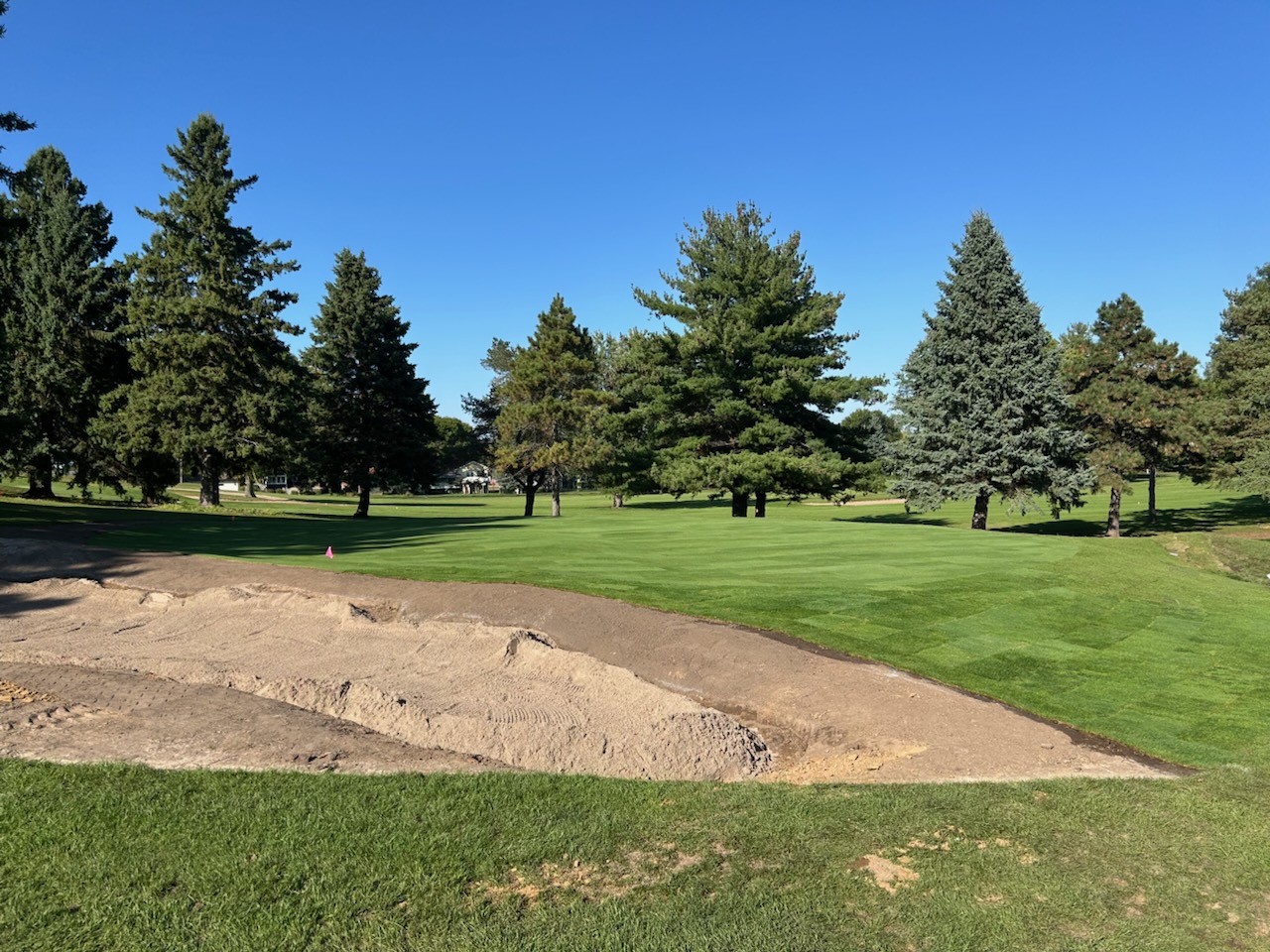
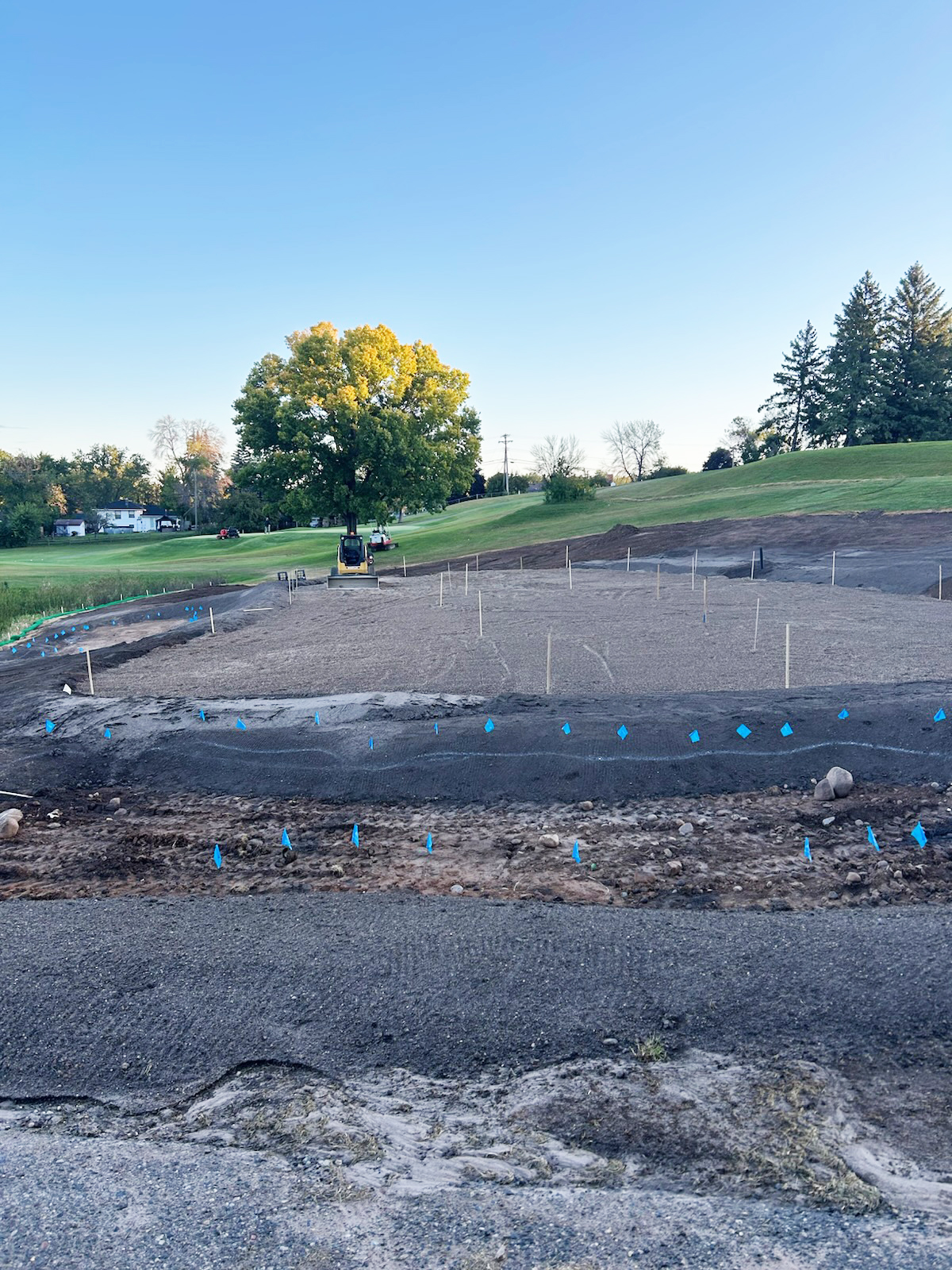
Beyond the new tees, several greens were redesigned to create a more enjoyable putting experience. Four green complexes on holes No. 1, 3, 5 and 14 were completely rebuilt. Previously, these putting surfaces featured dramatic slopes that could lead to very difficult putts.
The renovated greens maintain challenge while reducing some of the severity that often led to frustrating rounds. The result is a course that still rewards skilled play while remaining fun for recreational golfers.
Every bunker on the course was also evaluated. Some bunkers were added into strategic locations while others that rarely came into play were removed entirely. The overall bunker footprint was significantly reduced, improving play, while reducing long-term maintenance requirements. In addition, approximately 1,200 linear feet of cart paths were repaved, improving both course aesthetics and golfer comfort.
The renovation project also delivered significant environmental benefits.
“Water is a big deal in this community,” Foley said. “We installed a new irrigation system so we can control water head by head by head. There are 700 irrigation heads on the golf course, and we can literally control them from a phone.”
The previous system irrigated large portions of the course at once. The new technology allows staff to target specific greens, fairways and playing areas that need water while avoiding unnecessary irrigation elsewhere.
“Over time, we’re going to save literally millions of gallons of water,” Foley said.
Ramsey County has also expanded low-mow and no-mow areas. Prairie grass plantings and naturalized areas reduce water usage, decrease mowing requirements, and enhance wildlife habitat. At the same time, chemical applications have been significantly reduced as the county continues to prioritize environmental stewardship.
Additional improvements included the removal of approximately 150 ash trees that had been damaged by emerald ash borer infestations, dramatically opening views throughout the property and reshaping the course’s appearance.
For Foley, the renovation represents more than just infrastructure improvements – it reflects a commitment to serving the community.
“It’s cool to see the changes,” he said. “We’re not done yet and are always looking for ways to continue improving the course and the golfer experience.”
With a more welcoming layout, enhanced sustainability efforts and modern infrastructure, Manitou Ridge is positioned to serve the next generation of golfers. Most importantly, it has become a place where juniors, women, seniors, and beginners can feel just as comfortable as the accomplished player chasing a low score.
That balance may be the renovation’s greatest achievement – and a model for the future of public golf.